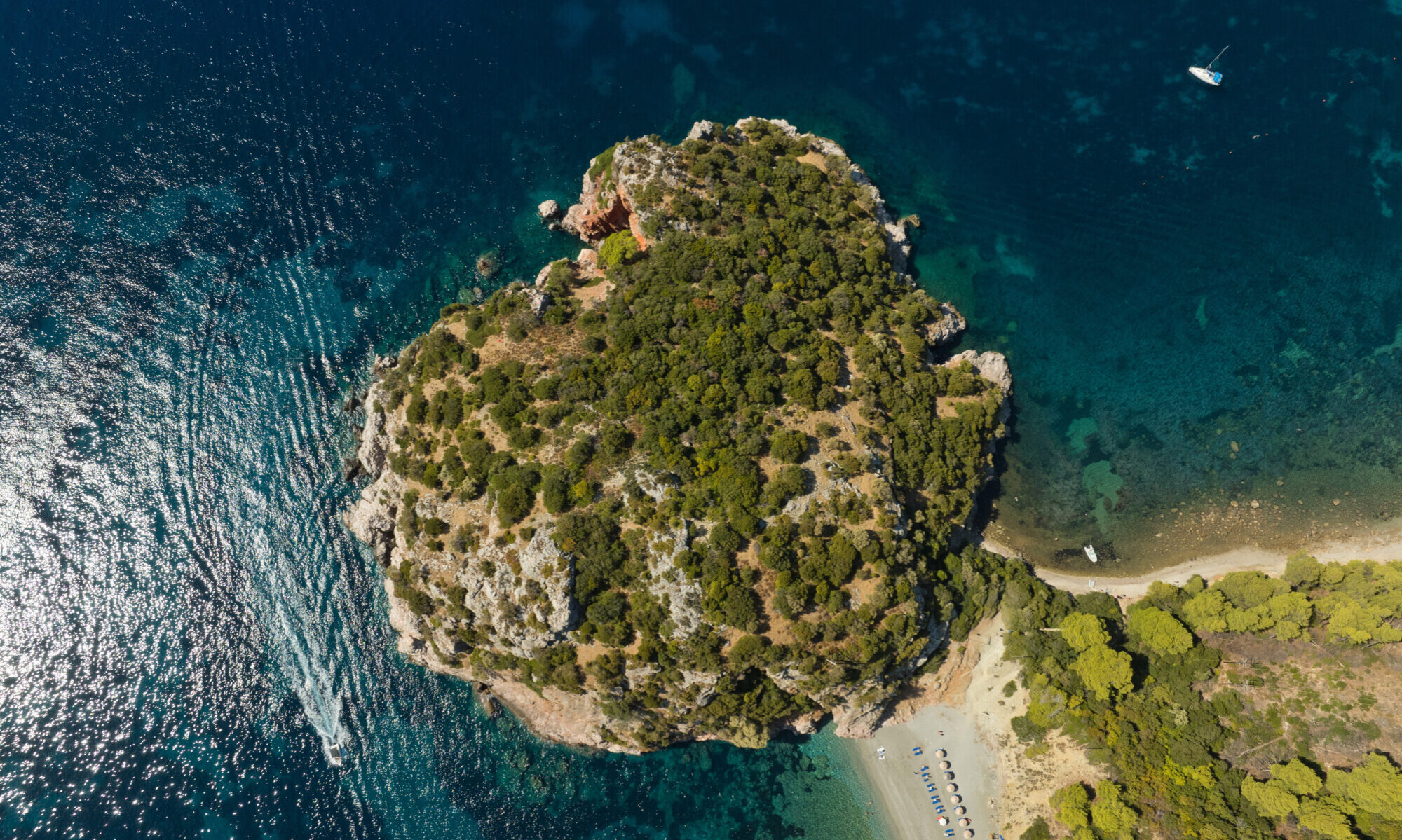

Research activities in 2026
The third research season takes place between 31/08–26/09 2026. The research team comprises 31 members, including students from Poland, Czechia, Germany, Greece, Ireland, Spain, and Belgium. The research plan aims to further build upon the results of 2024 and 2025 and enhance our understanding of the prehistoric periods of the island through the application of interdisciplinary approaches, including the already performed Airborne Laser Scanning (ALS), as well as traditional field-survey methods.
Research activities in 2025
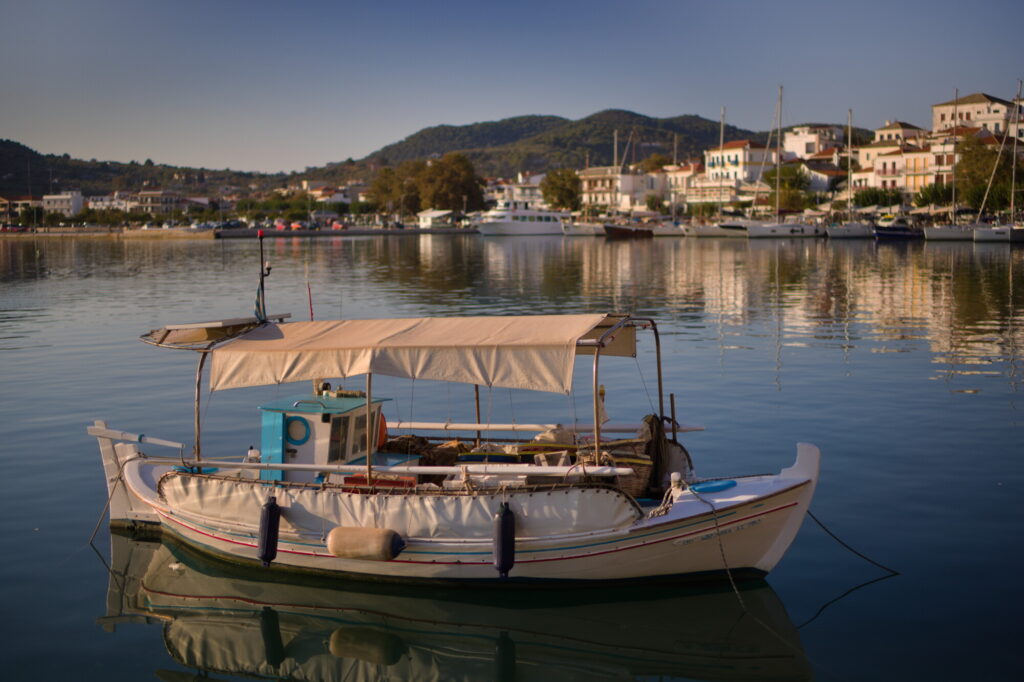
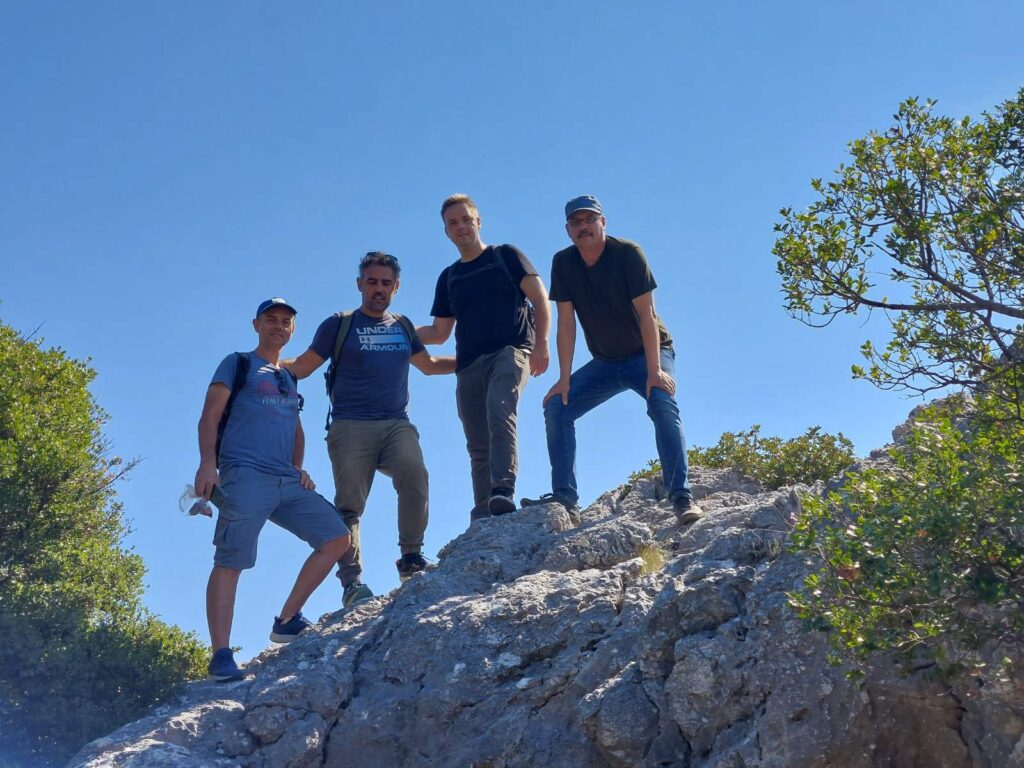
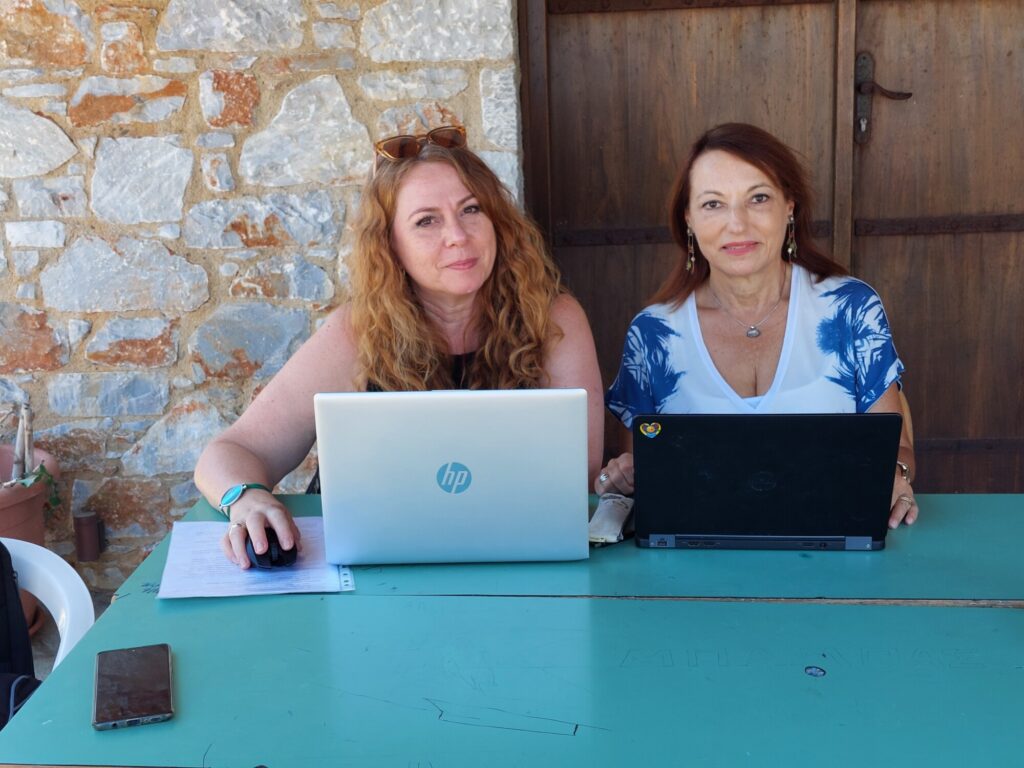
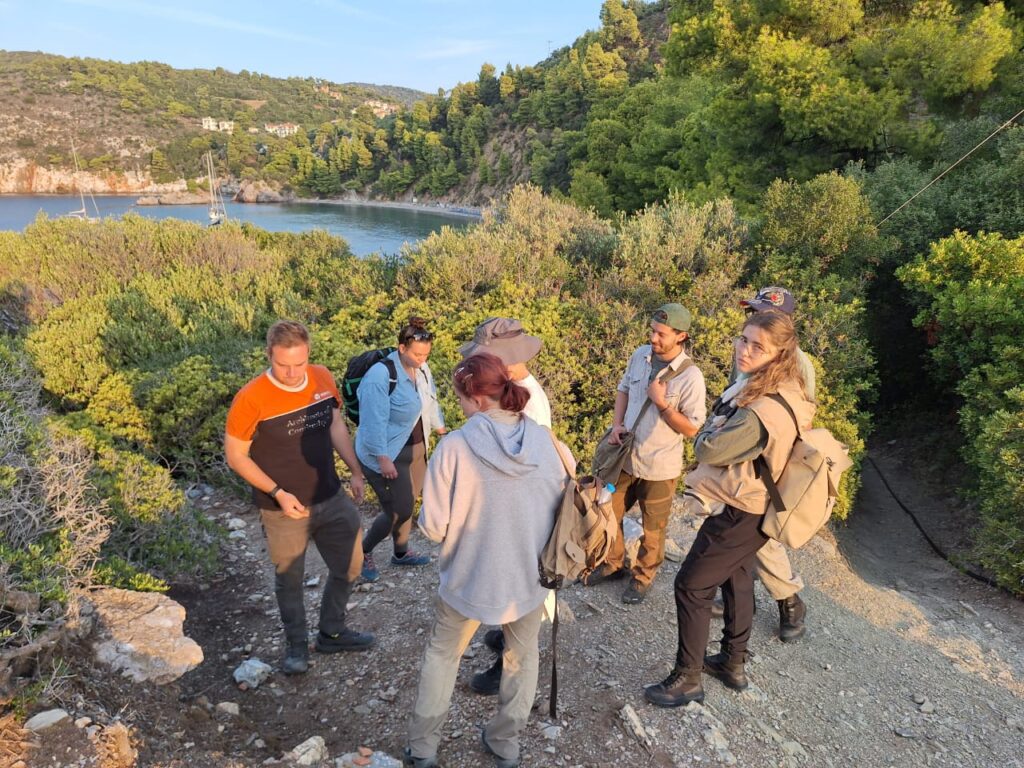
The second research season took place between 9–28 September 2025. The team comprised 21 members representing the four leading institutions, including the project regular staff, guest researchers – Dr Miron Bogacki (UW), and Dr Petra Tušlová (CUNI); and students – Olga Chatys, Małgorzata Kozieł, Karolina Newelska, and Jan Romanowski (UW); Antonio Ramljak, Mario Škrlin, Anton Ritzhaupt, Leonidas Pearl, and Marie-Leonie Diago Pfriem (UH); Jan Bobik, Anna Peterková, Nina Ščerbáková, and Eduard Kuthan (CUNI).
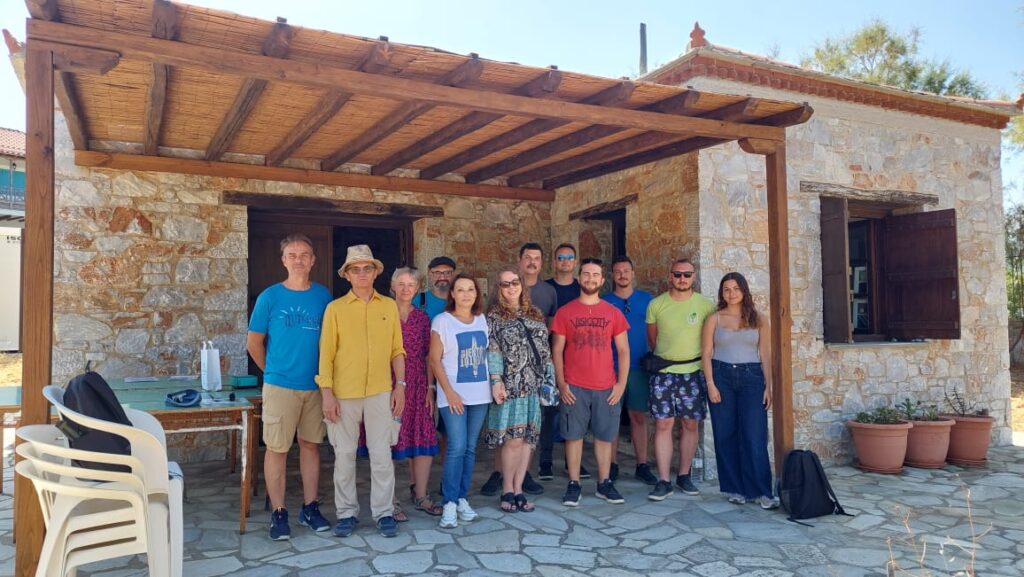
We were honoured to be visited during the first week by Prof. Janusz Czebreszuk, Director of the PAIA, and Prof. Bartosz Kontny, Dean of the Faculty of Archaeology, University of Warsaw.
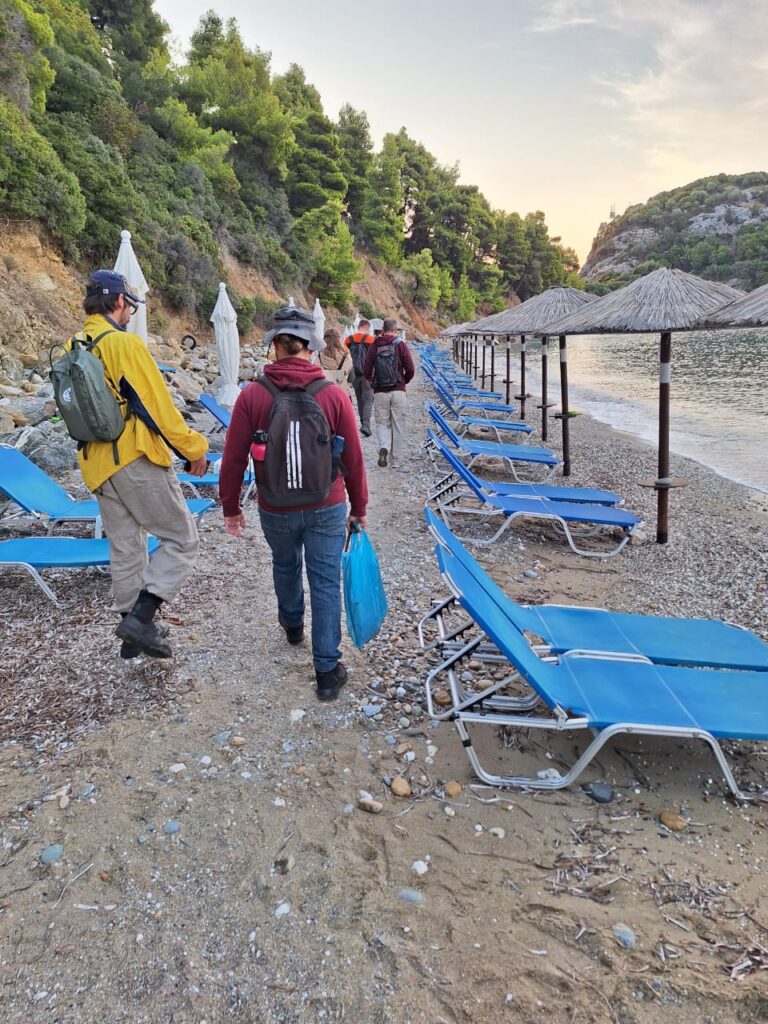
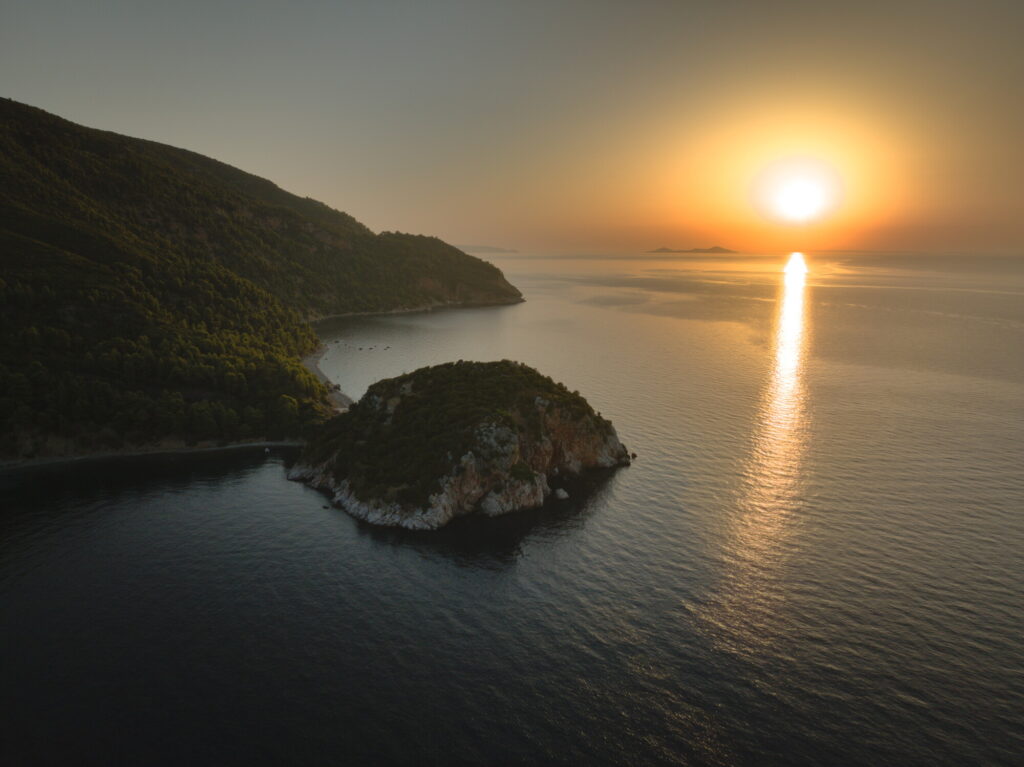
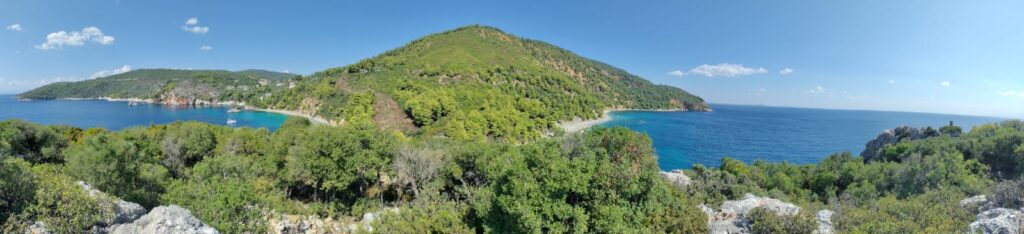
In 2025, we focused on consolidating the results obtained in 2024 and expanding the survey into the southern part of the island through reconnaissance across a total of 28 predefined blocks of 1000×1000 m: L8–L12, M8–M15, N8–N15, O8, O13–O15, P15, Q13, and Q14 (see Fig. 1, please insert Fig. 1 here). These blocks encompass a total surface area of 2,800 ha, of which c. 402.6 ha (14.4%) were accessible for survey in the areas of Skopelos Chora, Kambos Valley, Staphylos, Amarantos, Agnontas, Limnonari, Ditropon, Panormos, and Trachili. Despite this relatively modest coverage, the survey yielded a substantial quantity of archaeological remains dating to various periods. In total, 322 points with archaeological material were recorded, alongside 54 additional points corresponding to potential ancient features. Additionally, areas of Kastro, Armenopetra, and Glisteri were visited in preparation for future work.
Research activities in 2024
The first research season took place between September 21st and October 2nd 2024. Research team comprised 12 members from all partner institutions respectively: Dr. A. Batziou, PhD candidate Dimitris Agnousiotis, Iacovos Georgiou, MA; Prof. A. Ulanowska, MA students Olga Chatys and Piotr Kuźlik, BA student Matylda Wawra; Dr. F. Franković, BA student Leonidas Pearl; Prof. Dr. P. Pavúk, PhD students Jan Bobik and Anna Peterková.
This 2024 season involved extensive and intensive surveys on the eastern half of the island, covering areas of Skopelos Chora, Palouki Hill, Kambos Valley, and several beaches and peninsulas in the coastal zone, such as Staphylos, Amarantos, Trachili. The applied methodology resulted in a discovery of new sites in the examined part.
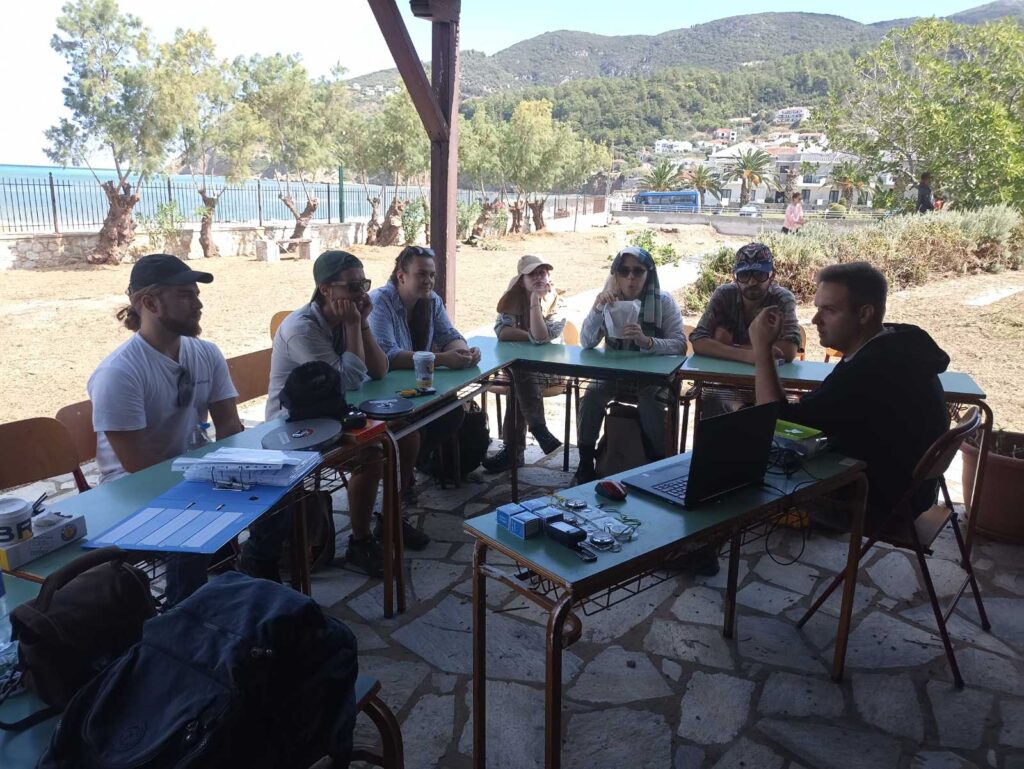
The first meeting of the ASkoS team and the Archaeological Summer Field School in the Asklepieon, Skopelos